Pitt Meadows airport touts $120M development pipeline, growing economic impact

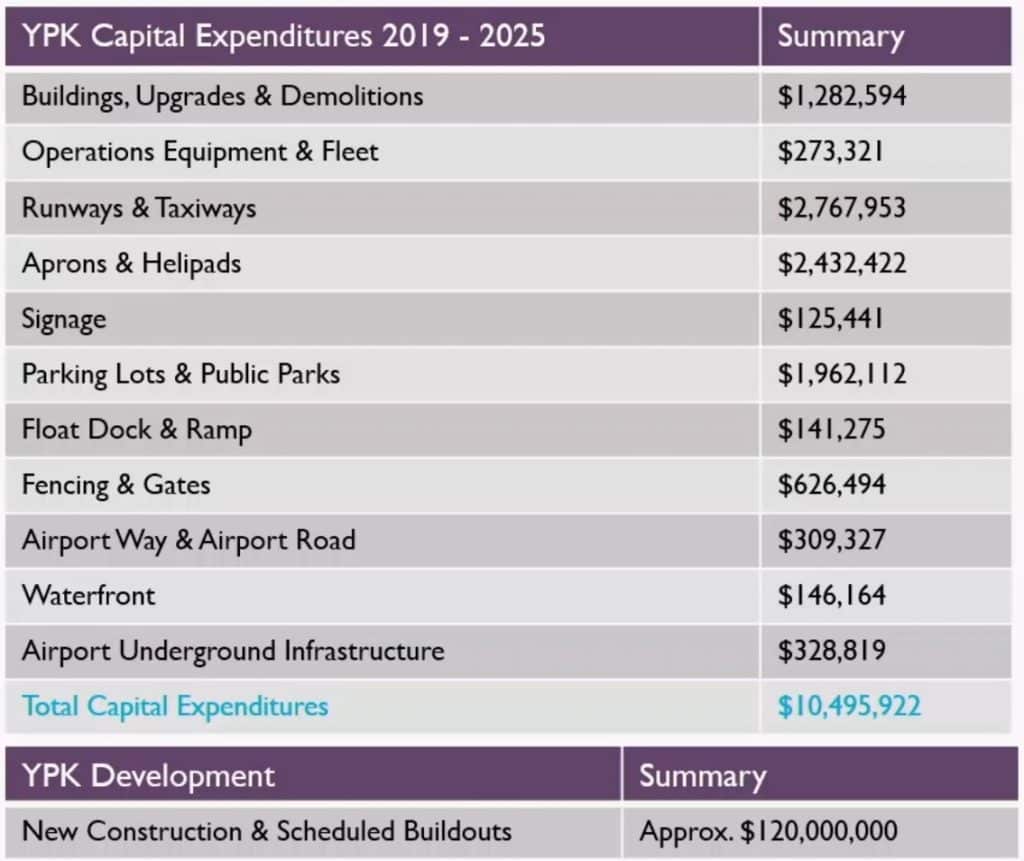
Pitt Meadows Regional Airport (YPK) is positioning itself as a growing economic engine for the northeast Metro Vancouver region, with more than $11 million already invested in upgrades and roughly $120 million in new development on the horizon.
Speaking to Maple Ridge council on March 24, YPK’s CAO and general manager Guy Miller, said the airport has undergone a dramatic transformation over the past several years, fixing its crumbling, aging infrastructure to what he described as a “modernized, investment-ready” hub for aerospace business.
“YPK, without question, is one of the most uniquely positioned, forward-thinking executive community airports within this province,” Miller said. “It’s a sea change of difference … and it’s only getting bigger and better.”
According to a recent economic impact study, YPK supports about 840 jobs directly and indirectly, with an average salary of $81,600, generating roughly $60 million in wages annually. The airport contributes an estimated $90 million to Canada’s GDP, with a $170 million in overall economic output.
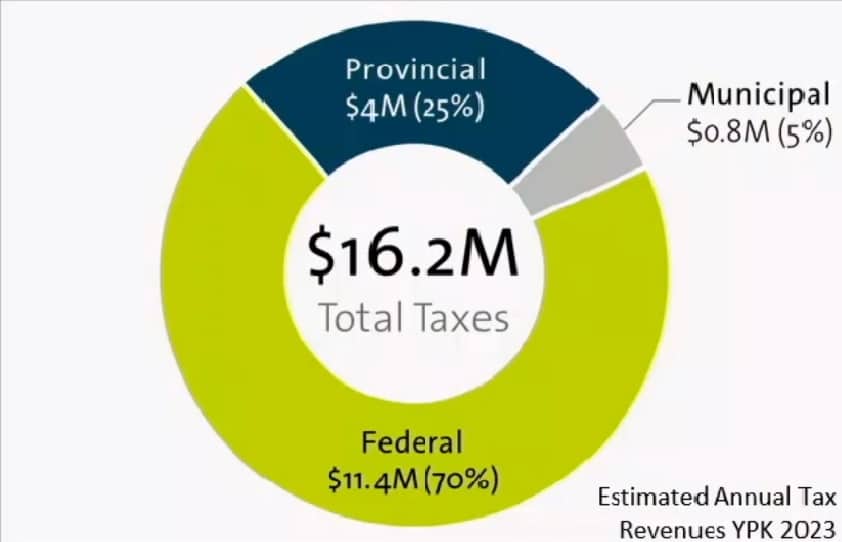
Tax revenues are also substantial. YPK generates about $16.2 million annually in total tax revenue: $11.4 million federally, $4 million provincially, and approximately $800,000 municipally.
“These numbers will certainly be increasing next year and the year to follow as all our buildings get built,” Miller said.
Between 2019 and 2025, the airport has spent nearly $10.5 million on capital improvements, including major investments in runways, taxiways, aprons, fencing, and parking infrastructure.
Recent projects include a newly completed apron capable of accommodating up to 30 aircraft, extensive perimeter fencing upgrades, and ongoing conversion of airfield lighting to energy-efficient LED systems.
Miller said the airport is now moving beyond core infrastructure toward aesthetic and functional improvements — including landscaping, signage, and enhanced public-facing spaces — aimed at improving its overall appeal to investors and visitors.
Development pipeline driving growth
The largest economic gains, however, are expected to come from a series of major development projects underway or planned in the coming years.
YPK has been “aggressively” marketing the airport lands as investment hubs at trade shows, in aviation periodicals, online blogs and social media, according to Miller.
“We’re really trying to get our brand out there. We put a lot of money into that,” he said. “We’re trying to sell our two communities and our airport, and we’re very intentional about that.”
New developments in the pipeline include a new 80,000 sq. ft. light industrial building, as well as a 80,000 sq. ft. airside development, on a former building site, as well as multiple new hangar developments catering to general and executive aviation.
An “executive airpark” project, known as Golden Ears Airpark, is expected to open later this year, adding roughly 50,000 square feet of aviation space for private and corporate aircraft.
Another major project involves an 18-acre commercial aerospace development site at Baynes Road and Ford Road, where the airport is preparing serviced lots for maintenance, repair, and overhaul companies.
“We’ve already got two or three excellent letters of intent … from helicopter companies and fixed-wing operators,” Miller said. “It doesn’t bring a lot of airplane movements, but it brings jobs, and that’s what we’re looking for.”
In addition to aviation-focused development, the airport is advancing plans for a 12-acre waterfront project designed to attract the broader community.
The proposal includes a boardwalk, retail and artisan spaces, microbreweries, green space, and a seaplane terminal, with construction of a required fill site expected to begin this year.
“We want to see this be a really nice place for both communities to come and eat food and enjoy,” Miller said. “A bit more entertainment area, not so much aviation.”
Flight activity rising

Aircraft movements at YPK have also climbed steadily, rising from about 101,000 in 2020 to nearly 209,000 in 2025 – the fastest growth rates among regional airports.
Miller attributed the increase largely to a global pilot shortage following the COVID-19 pandemic, which has driven a surge in flight training activity.
However, he emphasized that nearly 41 percent of movements come from “itinerant” traffic – aircraft arriving from other airports such as Abbotsford, Langley, Boundary Vancouver – describing it as a “regional phenomenon” relating to the surge in training flights.
“Everybody’s trying to hold the tiger by the tail,” Miller said.
Struggling infrastructure to regional asset
Miller told council that when he joined the airport in 2018, it was “barely meeting” Transport Canada’s regulatory standards, with aging infrastructure and outdated facilities.
“We realized early on that the airport was in trouble,” he said. “We tore it down to the studs and started over.”
With continued investment, new commercial tenants, and expanded infrastructure, Miller said the airport is now firmly positioned as a long-term economic driver for Pitt Meadows and Maple Ridge.