
Maple Ridge advances new zoning, rental protections as part of housing push
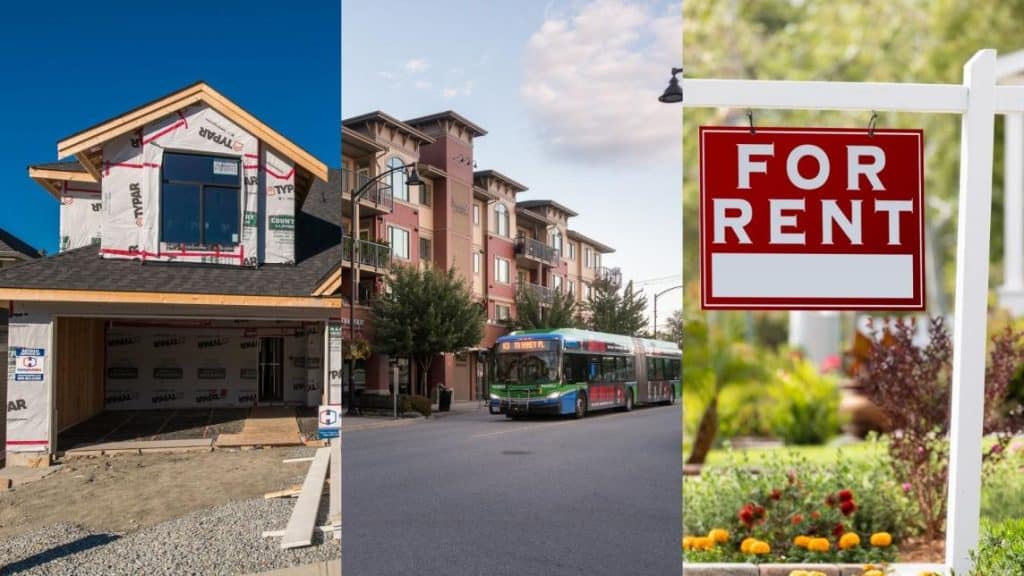
Maple Ridge is moving ahead with a package of housing measures aimed at encouraging higher-density development near transit, speeding up some small-scale projects and strengthening protections for renters.
Council advanced several policies and bylaws at its July 28 meeting as part of the city’s Housing Action Plan, including four new medium- and high-density zones for major growth areas.
The proposed zones would apply in areas including the Town Centre, Lougheed Transit Corridor and designated transit-oriented areas, with the goal of concentrating apartments and mixed-use development near transit, shops, services and employment.
“Clear, modern zoning is one of the most important tools the City has to guide growth,” said James Stiver, Maple Ridge’s director of planning and building.
The zones include updated standards governing height, density, commercial space, amenities and building design, while allowing neighbourhood uses such as cafés, childcare facilities, small grocery stores and other services.
They would also provide more flexibility for lock-off suites — self-contained suites within larger apartment units — and incentives for developers to build more three-bedroom homes.
Council also approved a one-year pilot program intended to speed up development permits for eligible triplex and fourplex projects.
Beginning Sept. 1, the Expedited Processing Program will use assurances from qualified professionals to reduce the level of city review required for eligible applications.
The program does not permit additional density beyond what is already allowed under provincial small-scale multi-unit housing rules. City staff have previously said the pilot could cut up to eight months from the approval process for qualifying projects.
Staff will report back to council after the one-year pilot.
The city is also examining ways to encourage more fee-simple townhouses, or rowhouses, which provide ground-oriented homes without requiring owners to pay strata fees.
Another part of the housing package focuses on renters.
Council approved policy changes accompanying its new Tenant Protection Bylaw, along with amendments to its Tenant Relocation Assistance Policy and Manufactured Home Park Redevelopment Tenant Assistance Policy.
A new Rental Protection Policy encourages developers to replace rental homes lost to redevelopment on at least a one-for-one basis and gives eligible displaced tenants priority access to replacement units through a right of first refusal.
“Building more homes must go hand in hand with supporting people who are already housed,” Mayor Dan Ruimy said. “As Maple Ridge grows, we want renters to have clearer information, stronger protections and a fair process when redevelopment affects their homes.”
The city is also reconsidering how it can encourage below-market housing after a review found inclusionary zoning is unlikely to be effective under current Maple Ridge market conditions.
Inclusionary zoning can require or encourage developers to provide below-market units as part of new projects.
Instead, Maple Ridge plans to explore partnerships with provincial agencies, non-profits and community organizations, along with co-operative housing, community land trusts and a future Non-Market Housing Strategy.
The city is also considering using some of its federal Housing Accelerator Fund money to subsidize municipal permit fees for eligible multi-unit rental developments.
Maple Ridge was approved for up to $16.6 million through the federal fund beginning in 2025.
“These actions are about turning housing objectives into practical tools,” Ruimy said.
He said increasing the housing supply also needs to be accompanied by investment in roads, transit, schools, health care, childcare, parks and other infrastructure needed to accommodate population growth.
Maple Ridge’s 2026-2030 capital plan calls for nearly $432 million in spending on transportation, utilities, public safety and community facilities.
The city is also attempting to pair residential growth with more employment land, including through the North 256 Street Industrial Area Plan approved by council in June.
That plan covers roughly 500 acres around 256 Street north of 128 Avenue and is intended to expand the city’s industrial land base, attract investment and create more local jobs.


