Maple Ridge moves to cut parking spots in new builds, report says
The city looks to incentivize new forms of transportation in proposed bylaw
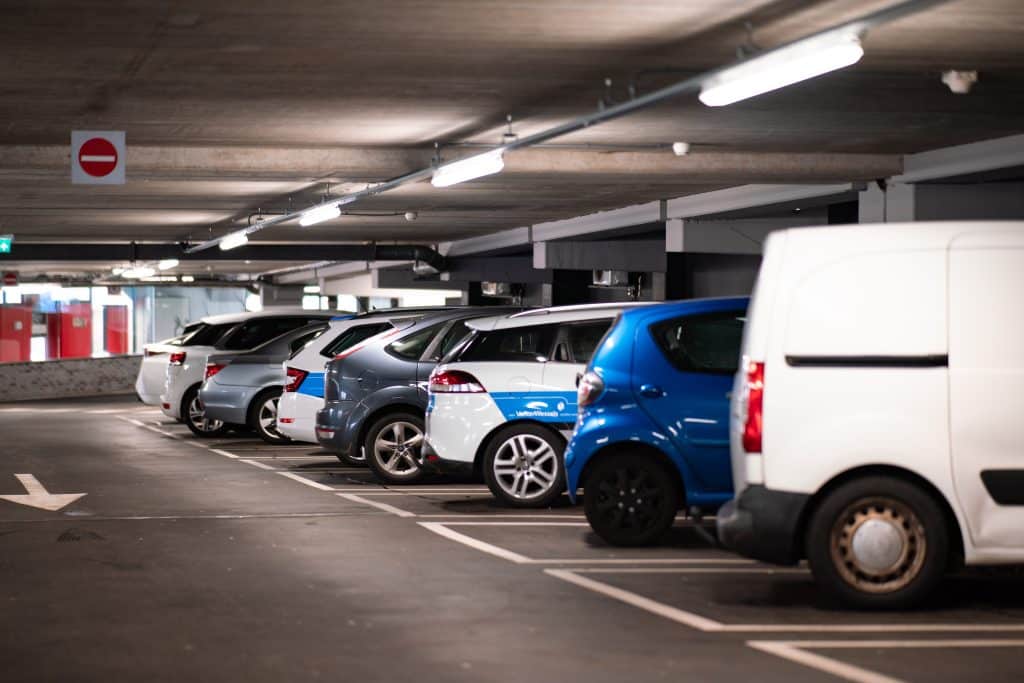
If you drive a vehicle in Maple Ridge, it may be time to consider a new form of transportation.
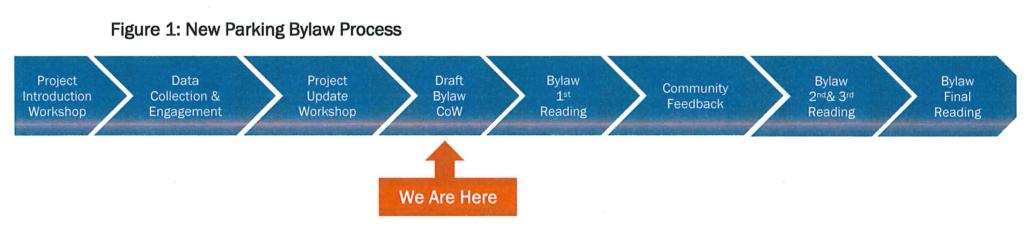
On Tuesday, Maple Ridge council unanimously granted first reading to a new bylaw at a future council meeting that would reduce the number of parking spaces included in new developments.
The proposed bylaw, aimed at reducing greenhouse gas emissions and highlighting alternative methods of transit, would also add bicycle parking and electric vehicle infrastructure to residential buildings and commercial spaces.
“By slightly reducing parking minimums, increasing bicycle parking minimums, and energizing off-street parking spaces with outlets, it encourages Maple Ridge residents to consider other modes of transportation,” city staff wrote in a report to council.
“And should they choose to drive, that the choice to drive an electric vehicle is more desirable.”
The bylaw, specifically, will reduce the minimum number of parking spaces for apartments within the Town Centre Area from 1.3 to 1.0 spaces per dwelling unit, and drop the minimum for apartments in the Lougheed Transit Corridor from 1.5 to 1.2 spaces per unit.
Additionally, at least 30 per cent of vehicle parking spaces for all apartment and mixed-use residential developments will require an outlet for EV charging.
A quarter of parking spaces in commercial and industrial developments will also need to be dedicated to ‘small cars’ — vehicles that are roughly 2.4 by 4.9 metres in length.
Although more than 90 per cent of daily trips in Maple Ridge are made by motor vehicles, there is a significant surplus of parking stalls in apartment and shared rental units in the city, according to research outlined in the report.
A 2012 Metro Vancouver-led study found parking supply exceeded demand by 18 to 35 per cent in 80 apartments across the Lower Mainland, including Maple Ridge.
The city is hoping the new parking minimums will allow apartment developers to save building costs in the building process, and make rental homes more affordable to residents.
At the committee of the whole meeting, Mayor Dan Ruimy asked if the city could go further in reducing parking stalls in rental apartments.
As homeowners tend to have their own vehicles, and renters may be more likely to take transit, he said there may be room for city staff to make even more parking cuts.
“When we look at how many people are coming in the next 10 years, we have to look at how much road space do we actually have?” He stated.
“Is there an opportunity to be more aggressive along the transit corridor?”
City staff responded that they would look at the possibility of making more adjustments to parking minimums in rentals in the future.
Dust off the bicycles
The city’s transportation plan, endorsed by council last month, found that nearly 70 per cent of daily trips in Maple Ridge are made within the city.
That high rate of inter-city travel may present an opportunity for Maple Ridge to decrease car use, if proper active transportation infrastructure is developed.
The report suggested that Maple Ridge mandate one bicycle parking spot per dwelling unit throughout the city, and short-term parking at all commercial, industrial and institutional buildings.
Long-term bike parking stalls should be illuminated and adjacent to the main entrance of a building, and accessible scooter parking should be mandated in all senior or assisted living facilities, according to the report.
“A part of supporting residents’ choice for non-automobile transportation is ensuring there is a safe and secure parking area for their bicycle at home and their destinations,” the report states.
“By ensuring there is more bicycle parking across the City, it helps this mode of transportation to become a more convenient way of getting around for most personal trips.”
The proposed bylaw is expected to be presented for first reading at the next council meeting on Oct. 24
If council grants first reading, the bylaw will be sent to a collection of organizations in the city—including the Maple Ridge Climate Hub—for additional input.
You can read the full report here.
Author