Maple Ridge moves to rein in ‘micro-units’ with new family-friendly housing policy

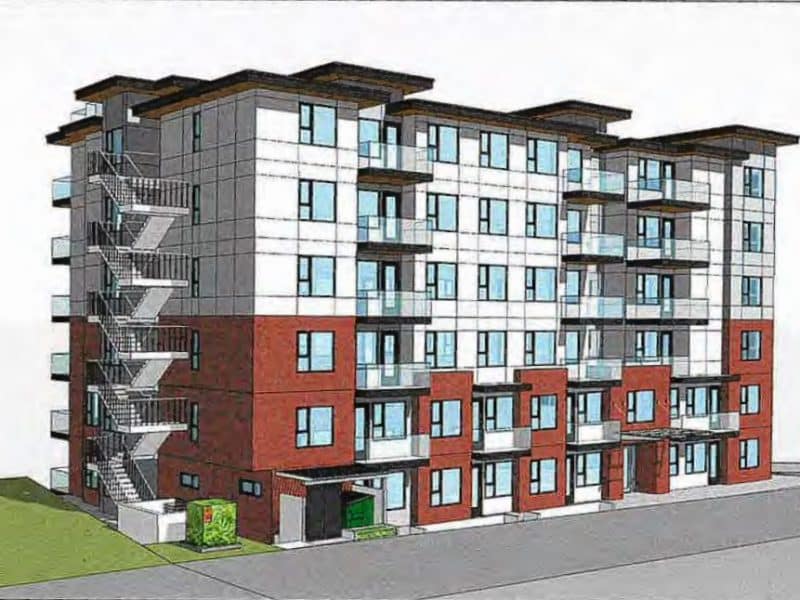
Maple Ridge is moving to reshape the future of apartment living in its urban centres, with council unanimously approving a new policy aimed at ensuring more family-sized homes are built as the city densifies.
Council voted May 12 to adopt the city’s new Inclusive Housing Unit Mix Policy, which will require larger apartment and mixed-use developments in the Town Centre and Lougheed Transit Corridor areas to include more two- and three-bedroom units, alongside adaptable suites and lock-off options intended to support multigenerational living and aging in place.
Coun. Jenny Tan said the policy is ultimately about preserving housing choice and ensuring families can continue living in Maple Ridge’s evolving urban core.
“I live in one of those apartment buildings in the town center, and it is absolutely a delight to see seniors and families,” Tan told council. “I look out my window and see little kids with their backpacks heading out to school. It’s absolutely a delight.”
Maple Ridge currently lacks any formal policy regulating apartment unit mixes, and staff warned that without intervention, the city risks an oversupply of small units that could undermine both long-term affordability and provincial housing targets.
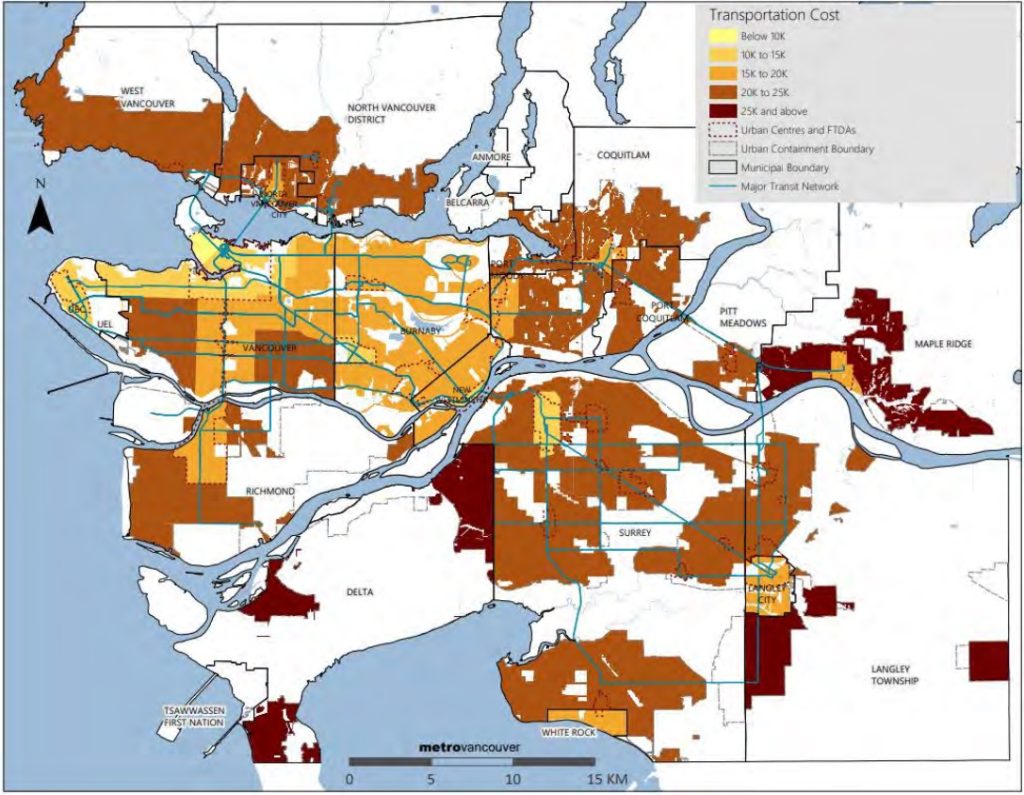
The report noted Maple Ridge has the second-highest transportation costs in Metro Vancouver after Delta, with many families forced into more car-dependent lifestyles as larger housing options move farther from transit and urban services.
Under the policy, new multi-unit residential and mixed-use developments with more than 20 units in those growth areas must ensure at least 40 percent of units are two bedrooms or larger, with at least 10 percent made up of priority unit types such as three-bedroom homes, adaptable units, or units with lock-off suites. The policy also establishes a city-wide minimum apartment size of 350 sq. ft.
City staff said the policy responds to growing concerns that developers are increasingly favouring smaller studio and one-bedroom units, despite Maple Ridge’s housing needs data showing significant demand for larger homes suited to families and seniors.
Tan argued the city may eventually need even stronger requirements, noting Maple Ridge’s own housing data suggests fewer than half of future units should be studios or one-bedrooms.
“The policy that we are proposing today doesn’t meet the projected need for units,” she said, warning many older family-sized rental apartments in the town centre are aging and likely to redevelop in the coming years.
She also pushed back on concerns from the development industry that larger apartment units are difficult to sell.
“It’s not our job to make everything pencil for a developer,” Tan said. “We’re here to say, ‘How can we work with you?’”
The policy includes flexibility measures aimed at balancing those concerns with market realities.
Developers will be allowed to count adaptable units and three-bedroom homes with lock-off suites toward the policy’s priority unit targets. Staff said lock-off suites could help make larger homes more affordable by allowing owners to generate rental income while also supporting multigenerational living arrangements.
Coun. Judy Dueck said she supported the policy overall, but stressed council would need to closely monitor whether projects remain financially viable in a difficult housing market.
Dueck noted developers have warned that three-bedroom apartments can be harder to sell than townhouses, although she acknowledged there are still families seeking apartment living.
“My only ask is that if we are hearing a constant theme that it’s not working, they can’t make it work financially, that we have the opportunity to look at that,” she said.
Coun. Korleen Carreras said the policy attempts to strike a balance between future growth and changing housing preferences.
“We know that if we look into the future, more and more families are looking to live in urban centres,” Carreras said. “We need to make sure that the ability is there to change.”
Coun. Sunny Schiller said the revised policy goes beyond simply supporting families and helps encourage a wider mix of housing types for different lifestyles and demographics.
“Because we don’t know who’s going to live here in the next 20 to 30 years … having different housing forms and having diversity is really important,” Schiller said.
The new policy will take effect immediately, although developments already advanced through the approvals process before the end of 2026 will be exempt.