
Bus Rapid Transit in Maple Ridge will succeed if built right, expert says
The Haney Place to Langley BRT line is expected to be ready in three to four years
Every time a new semester rolls around, Stephan Nieweler has the same message for his students.
Growing up, Nieweler, a transportation instructor and PhD candidate in SFU’s geography department, noticed that many Metro Vancouver residents preferred to drive.
On the first day of classes, however, he starts his opening lecture with evidence that travel habits can be changed.
First, Metro Vancouver grew in population. The cities added more bus routes. Then, in 1986, the Expo SkyTrain line was unveiled. One decade later, the West Coast Express was created and eventually, there were various extensions including the Evergreen Line and Rapid Bus service.
Today, millions of people take transit in the Lower Mainland.
“When you suddenly have these options that you didn’t have before, that’s when people start to change their perceptions of transit,” he said.
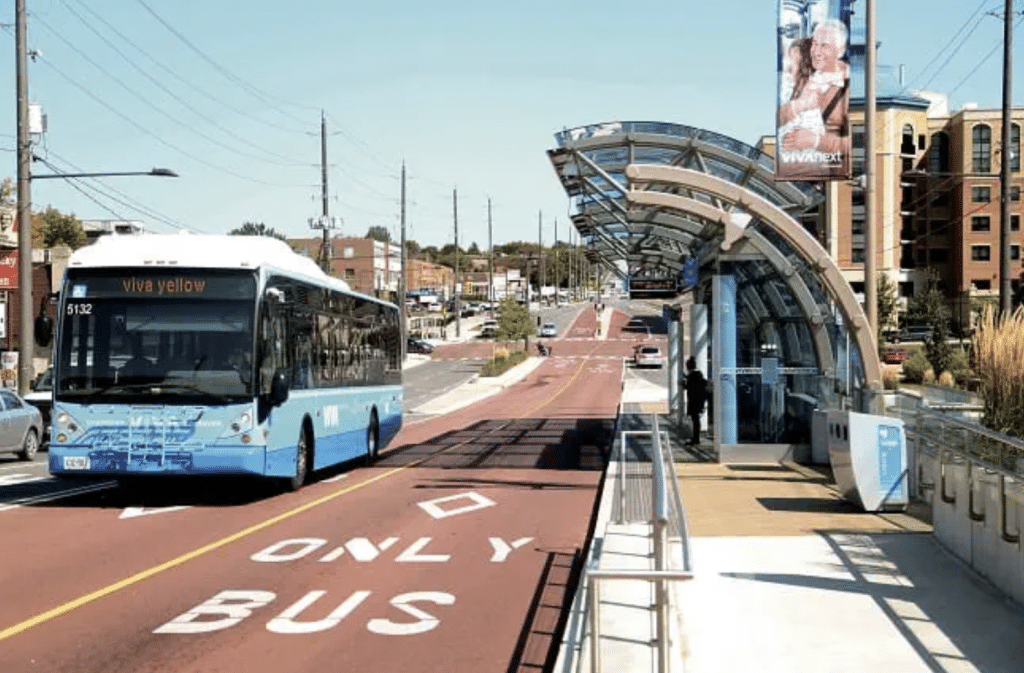
Although more than 90 per cent of daily trips in Maple Ridge are made by motor vehicles, Translink announced on Nov. 16 that the city would be prioritized for one of three new Bus Rapid Transit lines (BRT) — a bus service with dedicated lanes and train-like stations.
The 22-kilometre long BRT line is slated to run from Haney Place to Langley. The other two lines are scheduled to connect Metrotown to the North Shore and White Rock to Surrey.
Of the three priority lines, Nieweler said, Haney Place to Langley will be the easiest to construct.
“It’s the lowest density of the three,” he said, “the way the streets are, there’s less controversy than there would be on Hastings Street in Burnaby or Marine Drive in North Vancouver.”
And if the infrastructure surrounding the BRT is built correctly, Nieweler said he believes the car-centric habits in Maple Ridge could start to change.

Advocating for BRT
The Haney to Langley BRT line did not come as a surprise.
The proposed transit corridor was identified in the city’s Maple Ridge Moves infrastructure plans in the fall. The city also publicly advocated for the Mayors’ Council to make Maple Ridge one of the first communities in the Lower Mainland to add BRT.
Following the announcement, Mayor Dan Ruimy applauded the decision and wrote that it would be a boon for the city’s economy and environmental targets.
“From day one we have been working hard at both the staff and political levels to demonstrate that Maple Ridge is ready for more transit and will collaborate with our partners to get shovels in the ground,” he stated in a press release.
If the city wants more people taking the service, Nieweler said Maple Ridge will need to focus on building density and attractive walking or cycling routes near BRT stations.
Specifically, he would like to see additional housing or businesses lined up within a kilometre of a bus stop.
“We’ve done research that people who might only walk 400 metres from the station [to home] would walk 800 metres to one kilometre if it was a nice walk — say you’re walking down Commercial Drive rather than through suburbia,” he said.
The reality of building BRT
Along with their own dedicated road lane, BRT vehicles will also have signal priority at intersections, which will speed up their movement on busy stretches of highway.
The speed of the line will largely depend on how it’s built.
In some places across the world, Nieweler said, bus drivers can control the signals themselves — making BRT almost as quick as light rail transit options.
However, most cities don’t like the drivers controlling signals themselves, so BRT’s typically have cue jumping lanes or signals giving buses exclusive access to cross and avoid traffic congestion.
“What are the main choke points? This is what Translink has to study, look at and get the bus around,” said Nieweler, adding that he hopes the BRT buses will be fully electric to reduce carbon emissions.
Translink has not revealed how the signal priority will work in the three corridors.
Compared to other Metro Vancouver jurisdictions, the Golden Ears Bridge is often less congested than other bridges, Nieweler said, which may make the Haney to Langley route faster than other BRT corridors.
Ruimy stated that the new BRT route will not remove an existing lane of vehicle traffic, according to the Maple Ridge-Pitt Meadows News.
Ultimately, Nieweler said he expects the Haney to Langley BRT line will be ready within three to four years, depending on the level of segregation from highway traffic.
At that point, if housing and active transportation routes are also prioritized, he doesn’t see why more Maple Ridge cities won’t grab a bus pass instead of the car keys.
“That’s how that 90 per cent car use is going to start coming down,” he said.
“Because growth is happening in the right place.”
Author

Related Articles

Pitt Meadows city staff propose a $317 property tax and utility rate increase for 2026
Of the $317, city staff recommend that $122 is allotted for asset management savings