‘Crisis situation’: Maple Ridge urged to join regional push for long-term flood resilience funding
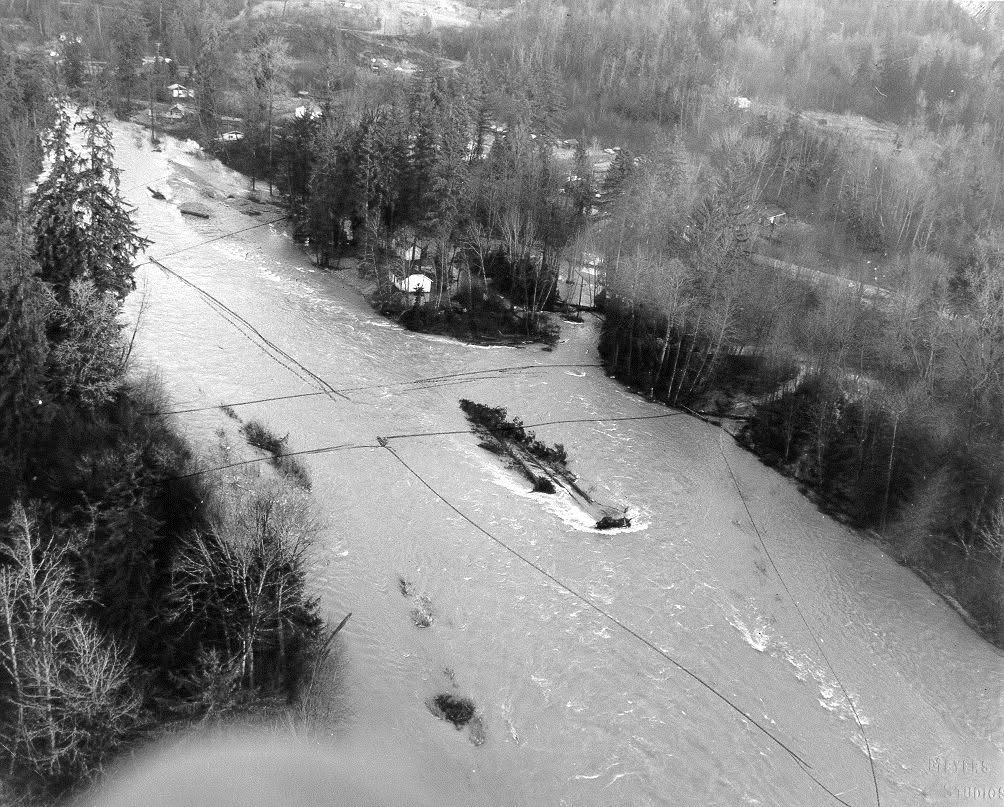
Maple Ridge is being urged to join a growing coalition of Lower Mainland municipalities and First Nations calling on senior governments to commit long-term funding for flood protection, as advocates warn aging dikes and climate change are putting communities at increasing risk.
The Lower Fraser Floodplains Coalition (LFFC) appeared before Maple Ridge council on July 7, asking the city to become a signatory to a regional joint statement advocating for a coordinated, long-term flood resilience program instead of the current project-by-project funding model.
“We are in a crisis situation,” said Lina Azeez, an LFFC representative. “Flood risks are escalating in the Lower Mainland. We have lived through major events in 2021, 2024 and 2025. Aging infrastructure, development on flood plains, and a changing climate are converging.”
The coalition, made up of organizations, experts and advocates, was formed shortly before the devastating November 2021 atmospheric river floods and has since brought together local governments, First Nations and technical experts to develop a regional approach to flood management.
Azeez said discussions over the past several years have consistently identified the need for coordinated regional action, stable funding and stronger advocacy to provincial and federal governments.
Rather than relying solely on traditional dikes, she said the coalition is promoting a broader “flood toolbox” that includes nature-based solutions such as wetland restoration, strategic dike setbacks and floodplain management.
“We are stuck with an approach to flood control infrastructure that was developed rather hastily in 1948-49,” she said. “It doesn’t have to be this way.”
The coalition is asking municipalities to endorse a joint statement calling for a dedicated long-term flood resilience program, stable funding, regional coordination, investment in critical infrastructure and stronger partnerships with First Nations.
Azeez argued the cost of inaction could be enormous.
“Flood resilience is not discretionary spending, it is prudent financial management,” she said. “Every time we kick the can down the road, we are gambling with the lives, homes, food security, infrastructure and ecosystems of the Lower Mainland.”
She cited estimates that a single major Lower Mainland flood could cause more than $350 billion in economic losses.
The request comes as engineering studies continue to identify significant shortcomings in the region’s flood protection infrastructure.
A 2020 Flood Mitigation Plan commissioned by the City of Pitt Meadows found the municipality’s approximately 60-kilometre dike system is largely deficient in both crest height and seismic stability, with about 50 kilometres requiring upgrades.
In Maple Ridge, a 2025 Albion Industrial Lands Geotechnical Overview Study, drawing on the 2015 Lower Mainland Dike Assessment, found some dike sections sit below current design flood levels and include gaps, erosion concerns and other deficiencies.
A regional assessment concluded only six percent of Lower Mainland dikes are rated in good to fair condition, with the remainder rated fair to poor or poor to unacceptable.
Mayor Dan Ruimy said Maple Ridge, along with many other river-adjacent municipalities, have suffered from provincial downloading of dike-infrastructure management.
“If they downloaded dikes that were up to par and up to standards, it’s easier to maintain,” Ruimy said. “But when you now have to spend billions of dollars to upgrade them to where they’re supposed to be, this is the challenge.”
For decades, the province has gradually shifted responsibility for dike ownership, maintenance and upgrades to local governments, despite much of the infrastructure having been built decades earlier to outdated standards.
B.C. once played a much larger role in flood protection, changes beginning in the early 2000s left municipalities responsible for maintaining aging dikes and funding increasingly expensive upgrades needed to meet modern flood and seismic standards.
Local governments have repeatedly argued they lack the tax base to finance projects.
Ruimy said he supports the coalition’s effort to build momentum among municipalities before bringing the issue to the Union of British Columbia Municipalities.
“I think you’re on the right track,” he said. “The same track as us trying to get funding for our dikes and the challenges that we face with flood mitigation.”
Coun. Sunny Schiller also voiced support, saying flood preparedness is one of the most pressing issues facing local governments.
“I think that flooding is one of those things that keep elected officials awake at night,” she said. “The more you learn about it, the more clear it becomes that it’s not being treated with the urgency and importance that it truly requires.”
She said the coalition’s approach aligns with work already underway in Maple Ridge, including reviewing flood infrastructure, updating bylaws and exploring nature-based solutions.
Council did not vote on the request during the delegation, but Ruimy said the issue would return for further discussion after staff have had an opportunity to review the proposal.