How photographing bugs contributes to science
Participants in a first of its kind event at Malcom Knapp Research Forest tried to find out
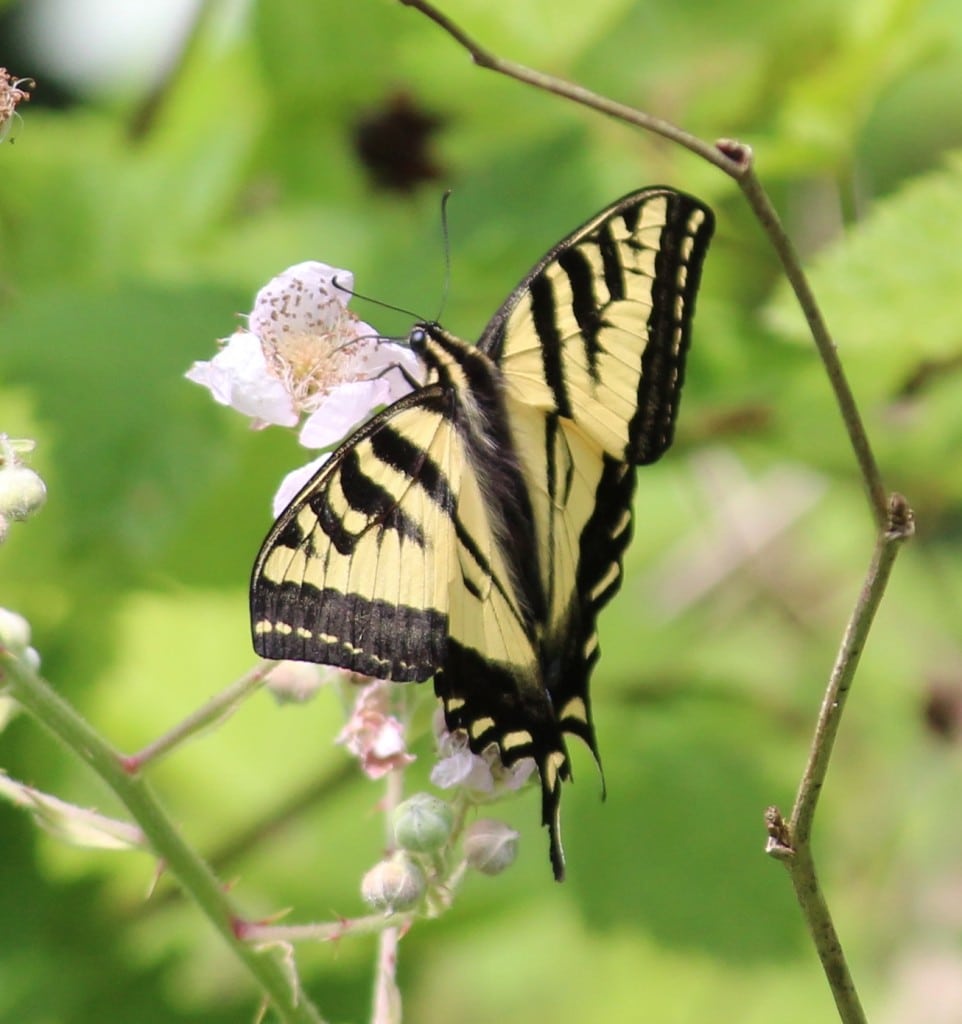
Citizen scientists and experts alike gathered at Malcolm Knapp Research Forest last weekend with one goal: to count as many bugs as possible.
In two days, they posted 360 insect observations — and 118 different species — to iNaturalist, an online platform where people share biodiversity information.
“It’s an effort at citizen science,” said Debra Wertman, an entomologist (someone who studies insects) and the director at the Entomological Society of British Columbia, who organized the event.
This ‘BioBlitz’ was an attempt to document the insects living in the forest in a two-day time span. They observed bees, butterflies, mites, dragonflies, and aquatic insects.

This was the first insect BioBlitz in Malcolm Knapp Research Forest, a research area run by the University of British Columbia that has seen over 900 research projects from various researchers.
Observers uploaded images to iNaturalist. If they can’t identify the species themselves, experts will look at the photos to determine what they are.
While its algorithm can pick up on certain species like a honey bee, iNaturalist users “are going to start chipping away and identifying these . . . species,” said Wertman, adding that the breakdown of species from this week might change slightly over time as this happens.
This data can then be used for a variety of reasons, like defining the range and ecosystems different insects can live in or understanding the impacts of invasive species.
It also helps to know the diversity of species in an area, giving researchers a sense of how an ecosystem might respond to things like management, climate change or industrialization.
According to iNaturalist, its data has been referenced in thousands of scientific publications.
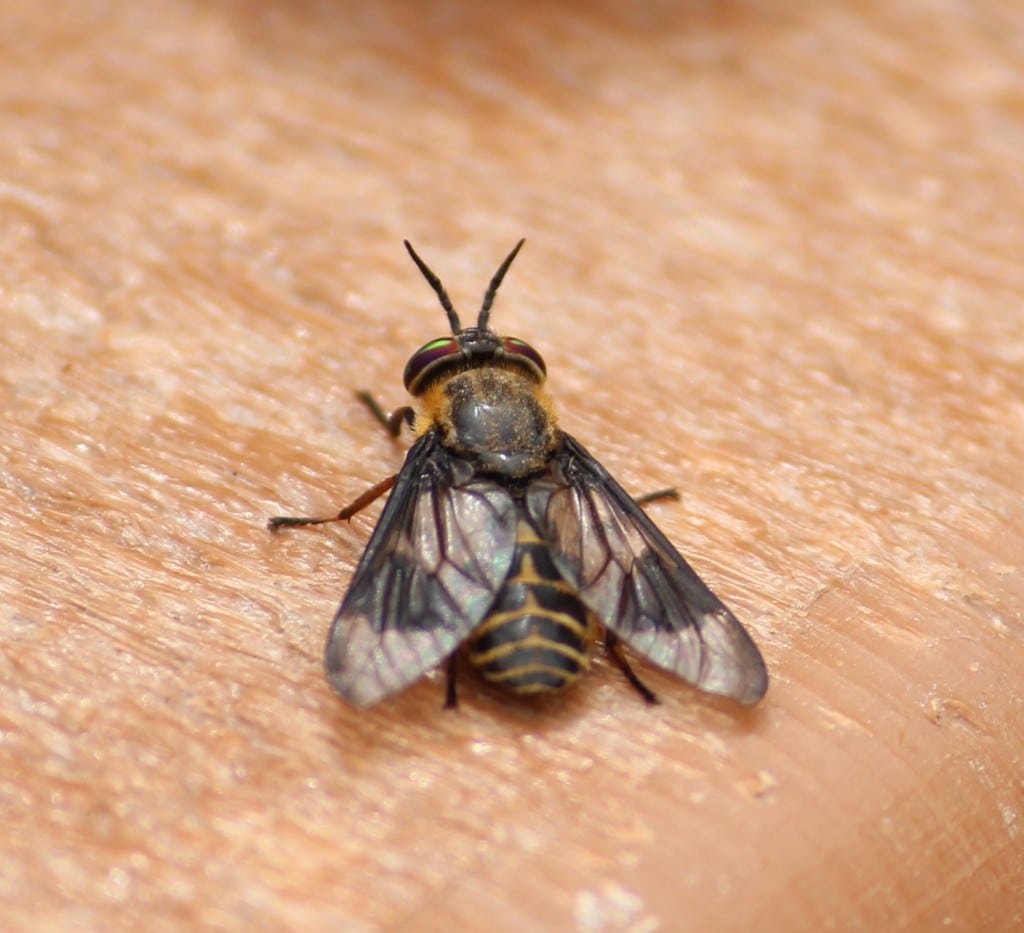
And as a family-oriented event, Wertman said the BioBlitz was also about introducing kids to insects.
“It’s really neat to just show kids and families that insects are wonderful, and they’re so interesting, and they’re so important,” she said.
Why do bugs matter?
Insects serve many ecological roles, Wertman explained. They pollinate, recycle nutrients, provide food (especially to birds), and degrade wood. Bugs also are an indicator of how healthy an ecosystem is (for example, an unhealthy water source might have few insects in it, whereas a healthy one might have lots).
“A lot of things depend on insects, and the more of them there are, the more species there are, the more potentially healthy that ecosystem is, as well as the more resilient against disturbances it can be,” said Wertman.
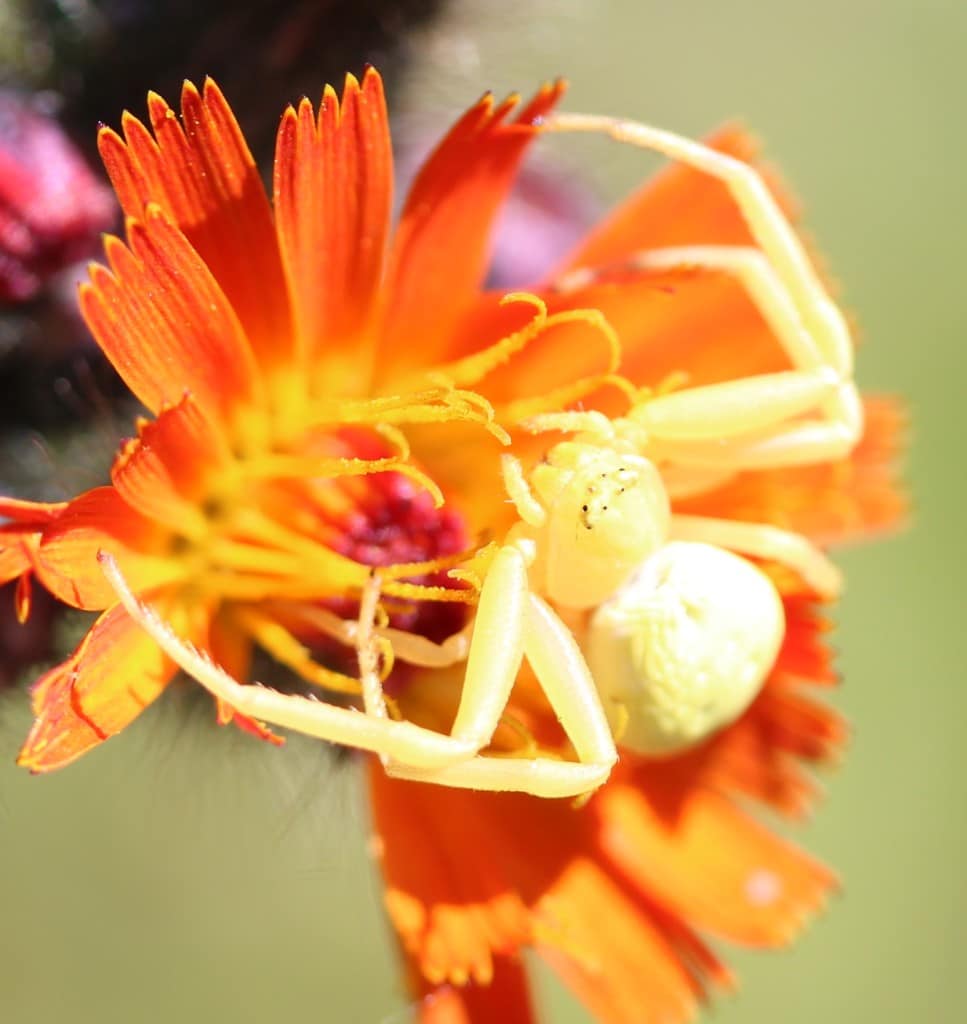
For example, if a cold snap happened, and there was just one insect species that happened to be vulnerable to cold,”well, you’re not going to have any left.” But if you have a whole range of species then you have others that might do okay in the cold.
“Diversity is really important to ecosystem resilience.”