Maple Ridge begins construction on Japanese garden honouring community’s lost history
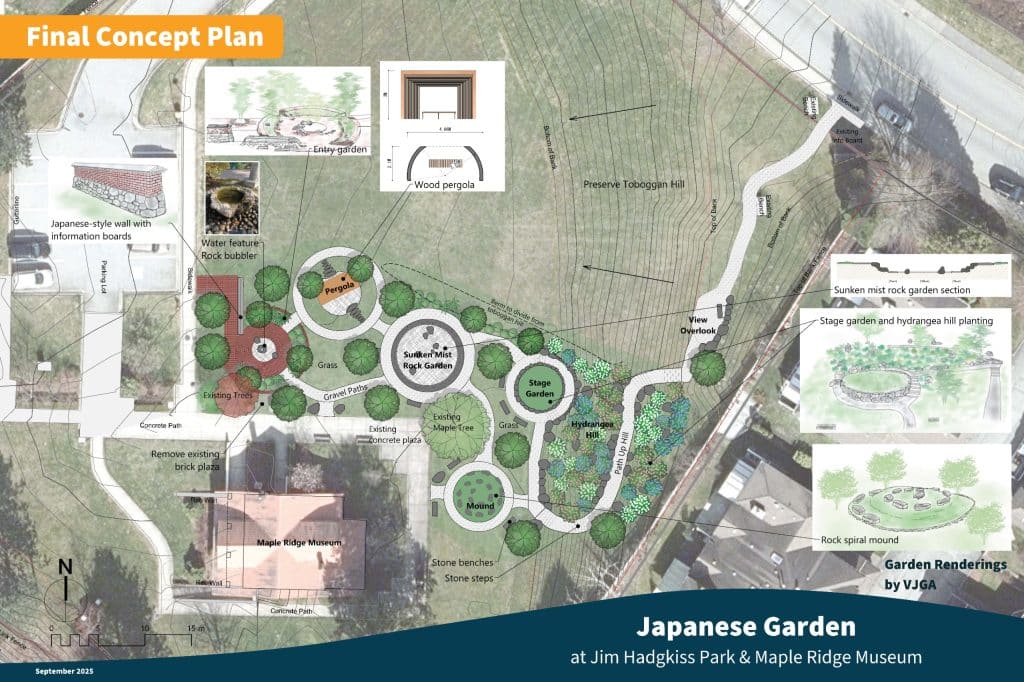
Construction is now underway on a new Japanese garden at Jim Hadgkiss Park, a project the City of Maple Ridge says is intended to formally recognize a largely overlooked chapter of the community’s history.
Planned as a traditional “stroll garden,” the space will feature interconnected areas including a dry rock garden, mist garden and water elements, along with pathways, seating and interpretive signage outlining the history of Japanese Canadian settlement and internment in Maple Ridge.
The project is meant to serve as both a cultural landmark and a place for quiet reflection, while also educating residents about the significant role Japanese Canadians once played in shaping the community.
The city completed detailed design work in February, and early construction on the garden kicked off on April 13. The project site is adjacent to the Maple Ridge Museum, and was developed in collaboration with the Vancouver Japanese Gardeners’ Association and with funding support from the Japanese Canadian Legacies Society.
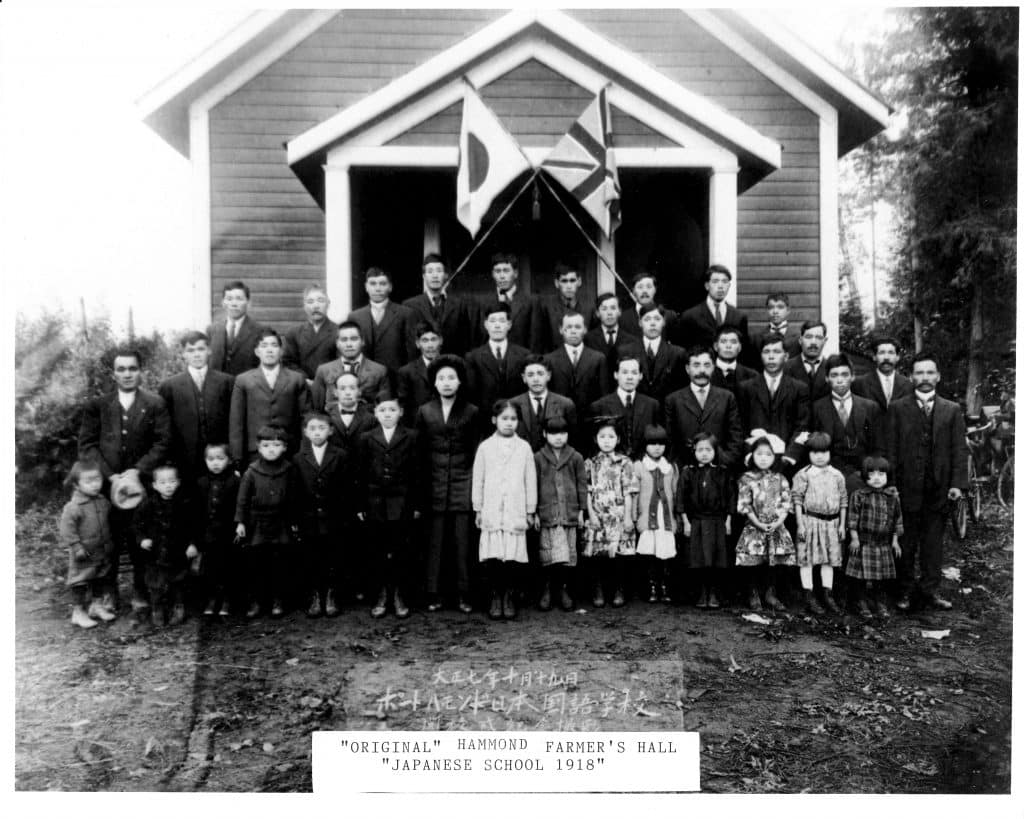
Japanese history in Maple Ridge dates back to the early 20th century, when Japanese immigrants established themselves as a major part of Maple Ridge’s agricultural and social fabric.
By the 1920s and 1930s, people of Japanese descent made up roughly one-third of the local population, operating farms, building greenhouses and forming tight-knit community networks.
Community life was centred around institutions such as language schools, Buddhist temples and community halls in areas like Hammond, Whonnock and Ruskin, where cultural events, education and social gatherings took place.
By the 1940s, many residents were nisei – Canadian-born children of the original immigrants – who balanced life between Japanese cultural traditions and broader Canadian society, attending local schools while also helping on family farms and participating in Japanese language education.
That longstanding presence was abruptly dismantled during the Second World War.
Beginning in 1942, Japanese Canadians in Maple Ridge were forcibly removed from their homes under federal wartime policies. Families were ordered to leave their land and possessions, which were confiscated and later sold off.
Local governments at the time supported the measures, even advocating that Japanese residents not be allowed to return after the war. Of the roughly 300 Japanese Canadian families displaced from Maple Ridge, only a handful – just seven in total – eventually came back.
The forced internment and loss of land effectively erased what had been a deeply rooted community, with lasting impacts still visible today in the region’s landscape and historical record.
The city says the project is intended to acknowledge that history while creating a visible, lasting tribute within the community.
Design changes shaped by public feedback include relocating the garden to preserve an existing toboggan hill, adding a protective berm, and incorporating plantings such as cherry trees, maples and groundcover inspired by traditional Japanese landscapes.
Construction is expected to continue through 2026.