Maple Ridge falls 12 units short of provincial housing target after second year
City says market conditions slowed completions, but remains on pace to meet five-year mandate
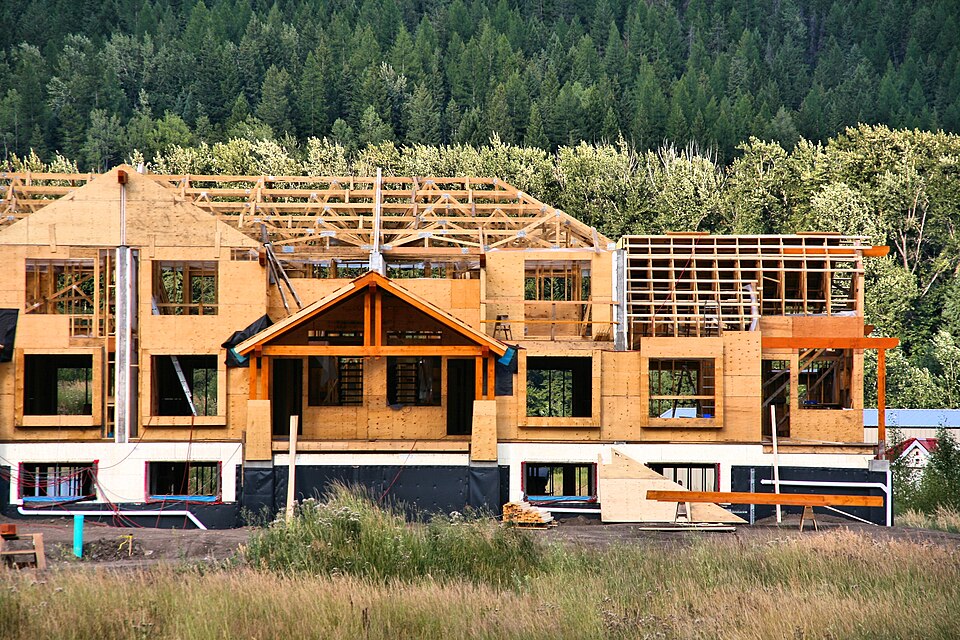
Maple Ridge narrowly missed the province’s cumulative two-year housing target, finishing just 12 units short after completing 554 net new homes during the second year of B.C.’s housing target order.
A July 28 report to council says the city completed 554 net new, move-in-ready housing units between July 1, 2025 and June 30, 2026, below its second-year target of 672 units. However, because Maple Ridge exceeded its first-year target, it has delivered 1,272 net new units over the first two years of the five-year program, just shy of the cumulative target of 1,284 units.
Council will receive the progress report at its next meeting before it is submitted to the provincial government, as required under the Housing Supply Act.
The report concludes the city remains well positioned to meet the province’s overall five-year requirement of 3,954 completed housing units by June 30, 2029. At the end of year two, Maple Ridge had achieved 32.2 percent of that target and 99.1 percent of the cumulative two-year benchmark.
The provincial housing target program requires Maple Ridge to complete at least 3,954 move-in-ready homes over five years. That figure represents approximately 75 percent of the province’s estimated housing need of 5,271 units for the municipality.
Market conditions blamed for slower completions
City staff attribute much of the second-year slowdown to economic conditions rather than municipal approval timelines.
The report notes many projects completed during year two had already entered the planning or construction pipeline before the housing target order took effect in 2024. It also says some developers have delayed requesting occupancy permits because of softer housing market conditions.
According to the report, developers have been slowing project completion until buyers are secured, reducing carrying costs because insurance premiums and warranty periods begin once occupancy is granted.
Staff also note that while the city can expedite approvals, factors including financing, interest rates, construction costs, labour availability, infrastructure capacity and broader market conditions all influence when homes are ultimately completed. Compared with the first year of the order, those external pressures had a greater impact in the second year, staff said.
Demolitions hit total numbers
The report points out the city’s performance depends on how the province measures housing completions.
While the province counts only net new units — new homes minus demolitions — Maple Ridge actually issued occupancy permits for 1,338 new homes during the first two years of the program. After subtracting 66 demolished units over the period, the official net total falls to 1,272 units.
Had the province measured only new homes constructed, Maple Ridge would have exceeded its cumulative target by 54 units, according to the report.
Large pipeline could boost future years
Staff say the city has a substantial development pipeline that could help meet future annual targets.
At the end of the reporting period, Maple Ridge had:
- 8 rezoning applications representing 100 proposed units
- 19 development permit applications representing 808 units
- 213 building permit applications representing 688 units
Altogether, 240 active applications account for 1,596 potential future housing units that have not yet reached occupancy.
City highlights policy changes
The report also outlines 21 implementation items completed during the second year to support housing delivery.
Among them were adoption of official community plan components, amendments to several area plans, introduction of the Lougheed Transit Corridor Area Plan and four transit-oriented area zones, updates to parking, zoning, tree protection and development procedures bylaws, tenant protection measures, density bonus and amenity cost charge reforms, and new expedited development approval programs.
Staff say those changes are intended to streamline approvals, modernize regulations and prepare infrastructure and planning policies for continued housing growth.
Rental and affordable housing in the pipeline
While completed housing continues to be weighted toward ownership units, staff say future projects include a growing share of rental housing.
During year two, the city approved 466 rental units at the rezoning and development permit stages, including 123 below-market rental units that are expected to contribute toward provincial affordability targets once construction is complete.
Related Articles

Maple Ridge approves $700,000 budget increase for Port Haney waterfront pathway project
Additional funding allows construction of Fraser River trail to move ahead after bids come in over budget