
Pitt Meadows pushes back on province’s housing targets
Pitt Meadows says it wants the province to come up with a more “realistic” number
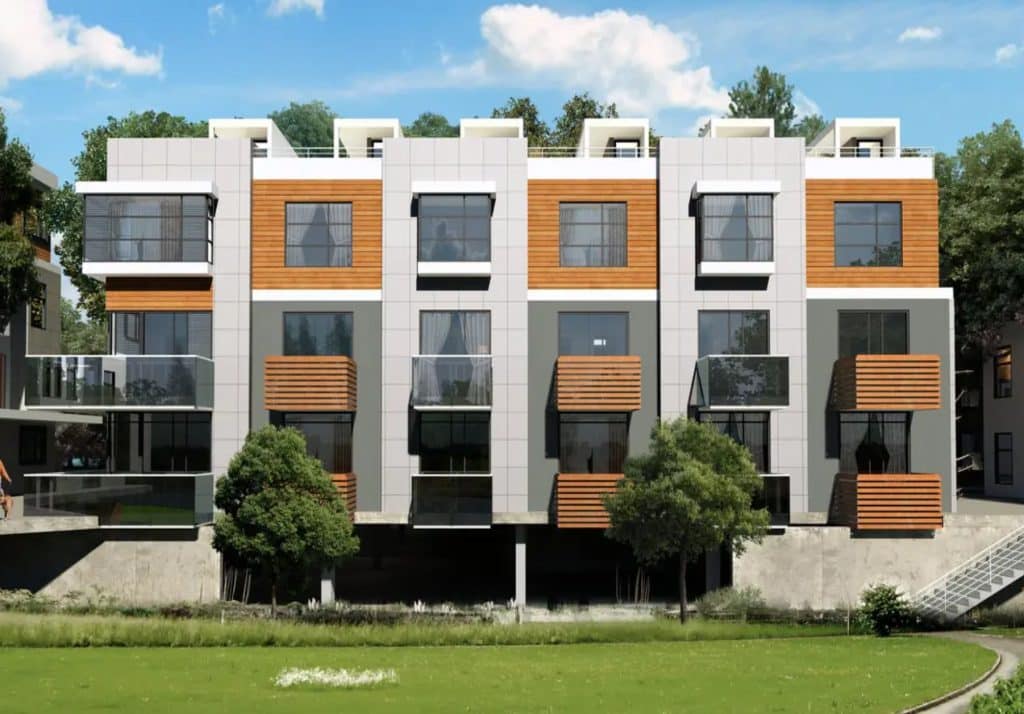
Housing targets set by the B.C. government for Pitt Meadows aren’t as high as originally expected, but the city still wants this number reduced.
The province issued the new targets to a fourth group of municipalities, with Pitt Meadows eyed for 727 units in the next five years, reflecting 75 per cent of the estimated housing need.
Pitt Meadows said previously it thought the number could be as high as 1,100 units.
Since that announcement, the City of Pitt Meadows issued a statement criticizing the target, saying the province had ignored the city’s request to reduce that number to a more “realistic” number.
“We share the Province’s concerns about the need for more affordable housing,” said Mayor Nicole MacDonald. “However, we raised serious and well-founded objections to the scale of this target given the unique constraints facing Pitt Meadows. It is disappointing that our request to reconsider and work together with the Province on a more appropriate, realistic target was not accepted. While we are disappointed that our concerns were not considered, we remain committed to working with the Province and enabling more housing in Pitt Meadows.”
The city’s concerns stem in part from the provincial methodology for determining the target, which does not account for the city’s distinct characteristics, the city said.
Pitt Meadows has said in the past that it has a limited land base for new housing developments, as nearly 80 per cent of the city is within the Agricultural Land Reserve.
“The provincial methodology also overlooked other important local factors — such as floodplain restrictions, high groundwater, limited transit access, frequent rail blockages and federal airport zoning regulations that limit building heights — all of which pose significant barriers to adding new housing,” the city said in a statement.
Pitt Meadows adopted a new Official Community Plan in 2022, implementing small-scale multi-unit housing zoning, designating transit-oriented areas and becoming one of the first municipalities in B.C. to adopt an Amenity Cost Charge Bylaw to provide more cost certainty for developers.
The city also partnered with Metro Vancouver Housing on a 115-unit non-market rental housing project called Heron’s Nest that included the city donating land, waiving fees and speeding up the approval process.
“Our staff have worked hard to meet provincial requirements and proactively support housing solutions,” said Pitt Meadows chief administrative officer Mark Roberts. “That said, as a local government, we face significant constraints. We can set policy, enable zoning and process development applications — but housing development ultimately depends on the private and non-profit sectors to deliver housing units. Housing targets are problematic because they overlook that reality, along with external factors, local constraints and market conditions.”
Here are the housing targets recently announced:
- Burnaby – 10,240
- Coquitlam – 6,481
- Courtenay – 1,334
- Township of Langley – 6,596
- Langford – 2,993
- Penticton – 908
- Pitt Meadows – 727
- Richmond – 6,753
- Squamish – 1,069
- Vernon – 1,829
With a total of 38,930 homes, the fourth group of communities is set to boost housing supply over the next five years. To support the targets, the Province gave each of the municipalities a set of guidelines that recommend the number of housing units by size, including how many should be rentals or owned and how many should be below-market rental units and rental units with on-site supports. More than 14,000 of these homes are below-market rentals.
Author

Related Articles

The Last Picture Show: Final day at Pitt Meadows theatre filled with sadness
Our writer went to the final showing at Hollywood 3 Cinemas – 35 years after he covered the theatre’s opening day

Agriculture survey raises questions about irrigation, road conditions
Some Pitt Meadows councillors say that irrigation and traffic concerns aren’t adequate represented in the survey

‘Don’t put false targets for us’: Pitt Meadows council objects to provincial housing targets
Council raised a number of concerns about densifying, including that the city is largely in the agriculture land reserve and that it faces building restraints