
‘Learning more helped me cope’: How Ridge Meadows may deal with aging population
The senior population in B.C. is expected to grow in the future, but caregivers are burned out. One organization is hoping volunteers will help remedy the issue
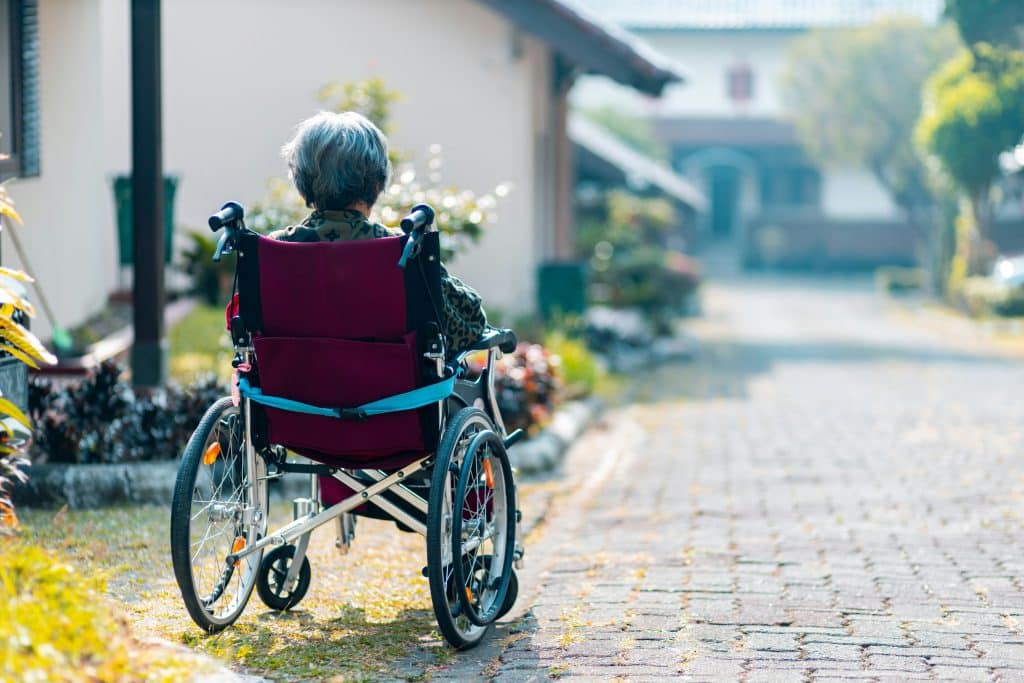
Avalon Tournier didn’t have any caregiving experience when her mother was diagnosed with dementia.
The diagnosis came in the mid-1980s, and Tournier, who had her own young family at the time, sought out any information she could to learn about the disease, which does not have a cure and now impacts more than 730,000 Canadians.
“My kids were young and I wanted something part-time,” said Tournier, who served The senior population in B.C. is expected to grow in the future, but caregivers are burned out. One organization is hoping volunteers will help remedy the issueas a volunteer for the Alzheimer Society of B.C. for 16 years before becoming a staff member in 1999.
It was a formative experience that not only taught Tournier practical caregiving skills, such as instilling a sense of routine, respecting an individual’s independence, and prioritizing the need to look after yourself. Her time as a volunteer also provided her with insight into what her mother was going through at the time.
“Learning more helped me cope,” she said. “I got a lot of education, strategies and skills for supporting my mom better.”

But not every individual’s experience is the same. Caregiving for a friend or family member with dementia can often be stressful and frustrating for people. And even many professionals are citing symptoms of burnout.
As the senior population in both Pitt Meadows and Maple Ridge is expected to grow, the society is hoping to recruit volunteers to assist professional caregivers in the region and reduce loneliness for loved ones.
“There’s definitely a lot of people who are feeling very, very burned out,” said Tournier, now the society’s support and education coordinator.
“I do talk with a lot of people in the Maple Ridge and Pitt Meadows area. A lot of it has to do with not being able to get help when they need it. Of course, that’s because of the increasing numbers, it’s difficult.”
More than 13,000 people in the North and East Fraser River region — Burnaby, New Westminster, Ridge Meadows, the Tri-Cities and Surrey — are currently living with dementia, according to a recent release from the Alzheimer Society of B.C.
In Maple Ridge, the number of people aged 65 or older rose from 11,920 to 14,610 between 2016 and 2021, according to the most recent census data. Pitt Meadows, a city with a population of about 19,000 residents, saw its senior population grow by 570 residents in the same time frame.
A similar rise is happening across the country.
Canada’s senior population is expected to grow by 68 per cent over the next 20 years. And the number of people aged 85 and older, specifically, is projected to triple to roughly 4.3 million people by 2073.
Over the next six years, nearly one million people in Canada — 134,000 people in B.C. alone — could be living with dementia, according to the Alzheimer Society.
The increase is being driven by the aging population of baby boomers, people roughly born between 1946 and 1964, Tournier said.
But just because more people are getting older doesn’t mean everyone in that age bracket will get dementia. People are getting diagnosed better and partners are encouraging their loved ones to get screened for dementia and other related diseases, Tournier said.
The age growth, though, may result in a higher number of people who are susceptible to the disease, which in turn, may result in more caregiving duties placed on health care professionals.
“There’s a lot of risk factors for developing dementia, but one of the biggest ones is age,” Tournier said. “It does increase your risk, just like vascular issues and so on.”
Volunteers, who don’t need any previous caregiving experience, are expected to help people with dementia and their family and friends not feel lonely. For example, one of their tasks may be to share information, coping strategies and resources that are available in the community.
“It helps reduce those feelings of loneliness and isolation,” Tournier said.
In the 1980s, when Tournier signed on as a volunteer, she did a lot of things that would now be expected from a staff member.
There were not many people on staff, so she worked around-the-clock. Her home phone number was advertised and she got different calls to help during the day. Now, people aren’t expected to help outside of their volunteer hours.
Although Tournier’s volunteer experience was empowering, she recommends that anyone who gets into this line of work prioritizes their own mental and physical health. The society also advises people who are actively caregiving to not simultaneously sign up as a volunteer.
“We want to make sure people are getting the help and support they need while they’re going through it,” she said.
“Once they’ve finished their journey… they often reach out to volunteer.”
Author

Related Articles
The inmate and the guard
Roughly one decade after meeting in a prison, Jerrica Hackett and Guy Felicella are hoping to raise awareness about the province’s overdose crisis
